

Practical Learning for Schools, Colleges & Universities
One partner from Grade 9 to graduation: classroom learning that turns into real skills.
Grades 9 to 12: from classroom learning to future-ready thinking
What happens when learning moves beyond it?
 Apply it to an unfamiliar problem?
 Think logically & independently?
 Research & find solutions?
 Explain ideas with confidence?
 Turn an idea into a project?
 Use technology to create something?
What schools tell us
Limited practical application
- Students understand concepts but get few chances to apply them.
- Projects and experiments are limited.

Scattered student progress
- Attendance, assessments and projects sit in spreadsheets.
- Overall readiness is hard to see.

Faculty overload
- Batches, attendance and reports take up teaching time.
- Less time left for class preparation.
Matched to your students
Early Years
Grades 9 to 10
Senior Years
Grades 11 to 12
Currently serving Grades 9 to 12.
Where school education is heading
Skills beyond marks
AI and skill subjects are now part of senior school, Grades 9 to 12.
Learning by doing
NEP 2020 favours experiential learning.
Clarity before Grade 11
Diagnostics and the Career Guide help students choose streams and pathways with confidence.
Sources: CBSE; NEP 2020.
Strengthen the connection between academic learning and professional capability
From Efforts to Outcomes: Where’s the Gap?

Placement Visibility
Parents and students ultimately ask: how many students got placed in the earlier batch?
But placement outcomes depend on months of skill development, practice and preparation.
Scattered Student Progress
Attendance, assessments, projects, certifications and training participation often sit across spreadsheets and files.
That makes it difficult to see each student’s overall readiness.
Faculty Overload
Managing batches, trainers, attendance, assessments, follow-ups and reports adds operational work to already busy faculty and placement teams.
Less time is left for class preparation and student progress.
Built for Computing & Technology Departments
Practical learning, technical skills and project-based education across computing disciplines.
Computer Science & IT
- Computer Science and Engineering (CSE)
- Information Technology (IT)
Artificial Intelligence & Data
- Artificial Intelligence and Machine Learning (AI & ML)
- Artificial Intelligence and Data Science
- Data Science and Analytics
Software & Emerging Technologies
- Software Engineering
- Cybersecurity and Information Security
- Cloud Computing
- Internet of Things (IoT)
Related Computing Disciplines
- Computer Engineering
- Computer Science and Business Systems (CSBS)
- Other computing-focused interdisciplinary programs
Where higher education is heading
Job-ready graduates
National employability is 56.35% (India Skills Report 2026).
AI, cloud, cyber & data
A persistent shortage of specialists.
Outcome evidence
NAAC and NBA focus on learning outcomes.
Sources: India Skills Report 2026; NAAC framework updates.
Three layers, one connected program
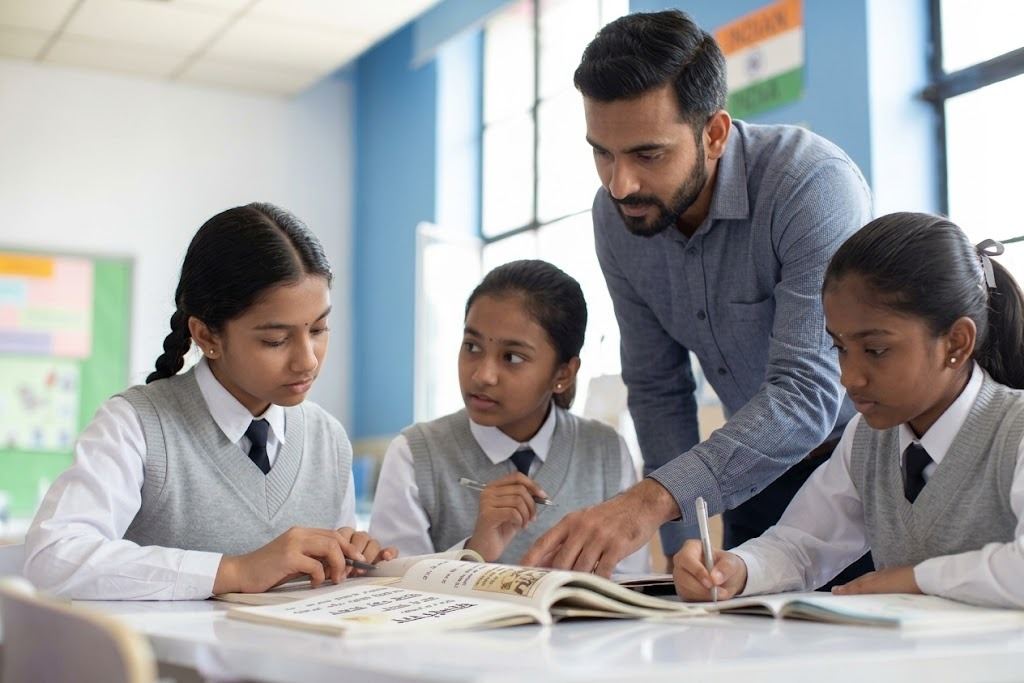
Expert Trainer-led Academic Delivery
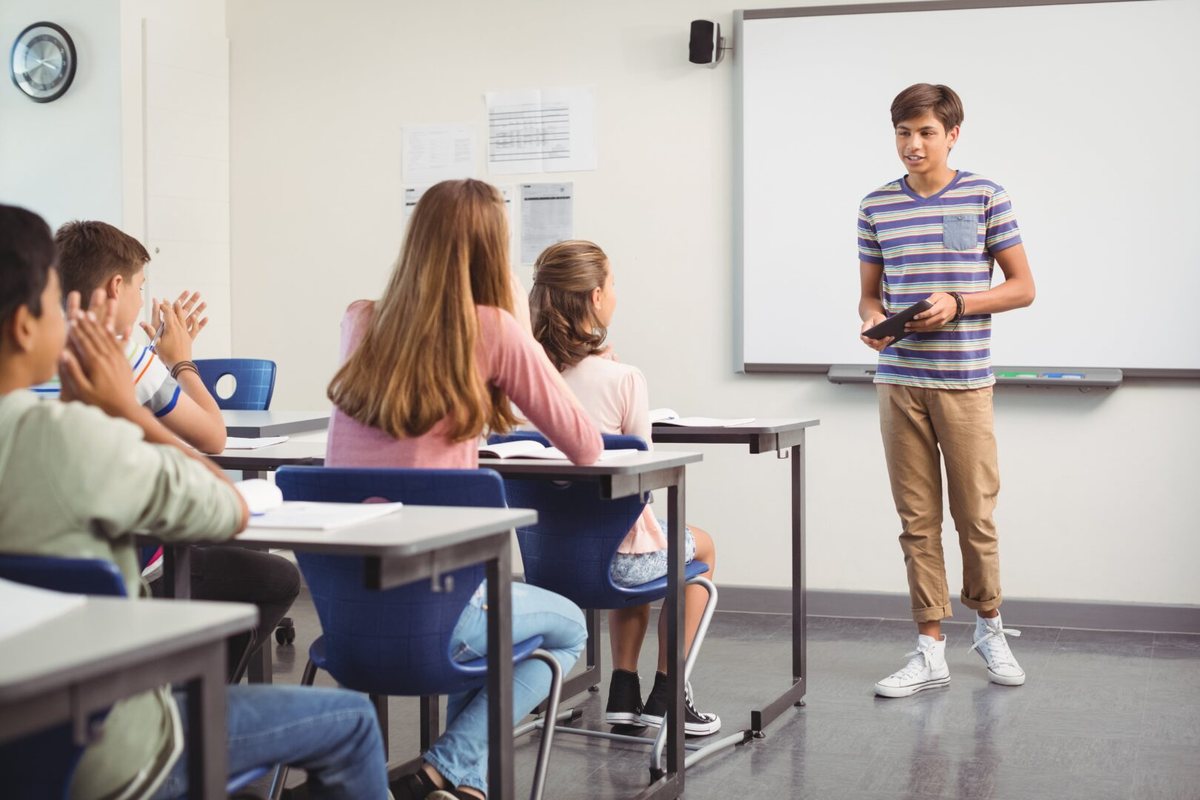
Continuous Skill & Career Development
Digital Learning Infrastructure
A Clear Process From Discussion to Delivery
One conversation, one plan, regular reviews.
Understand the Requirement
Goals, students, schedule & challenges.
Define the Scope
Outcomes, roles & evaluation.
Plan the Delivery
Timetable & learning materials.
Deliver the Program
With your designated academic team.
Review the Results
Feedback, participation & student work.
Identify Next Steps
Refine, continue or expand.
Built Around Your Requirements
Pilots & wider plans are discussed before any commitment.